Blog

Notes from the Dream Hopper team

Stay up to date with our latest development news, behind-the-scenes stories, and team insights.

We publish short dev logs and announcements every month.

What are vector graphics and why we use them in game development

How vector graphics can accelerate the development of your games

What are vector graphics and why we use them in game development
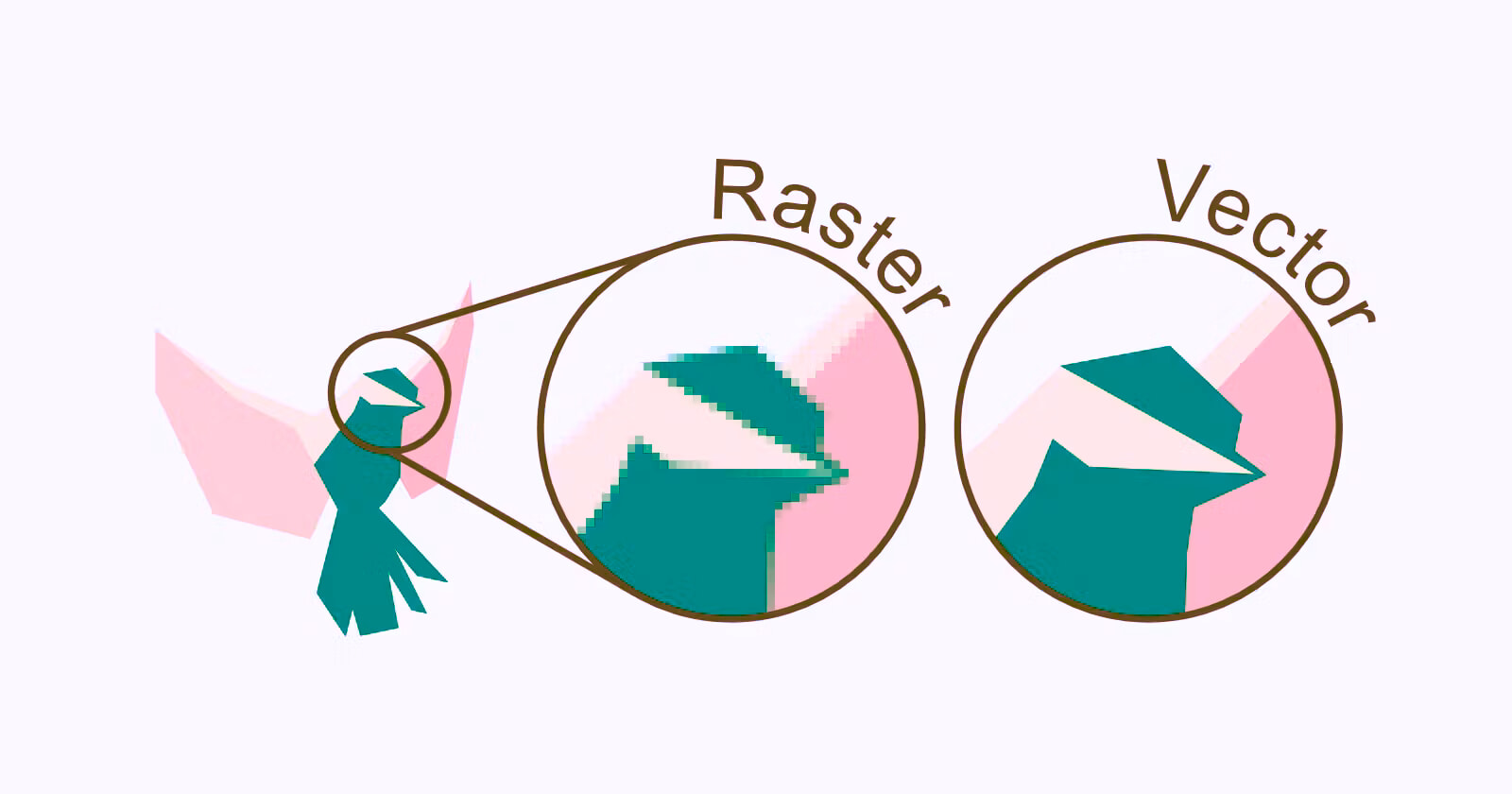
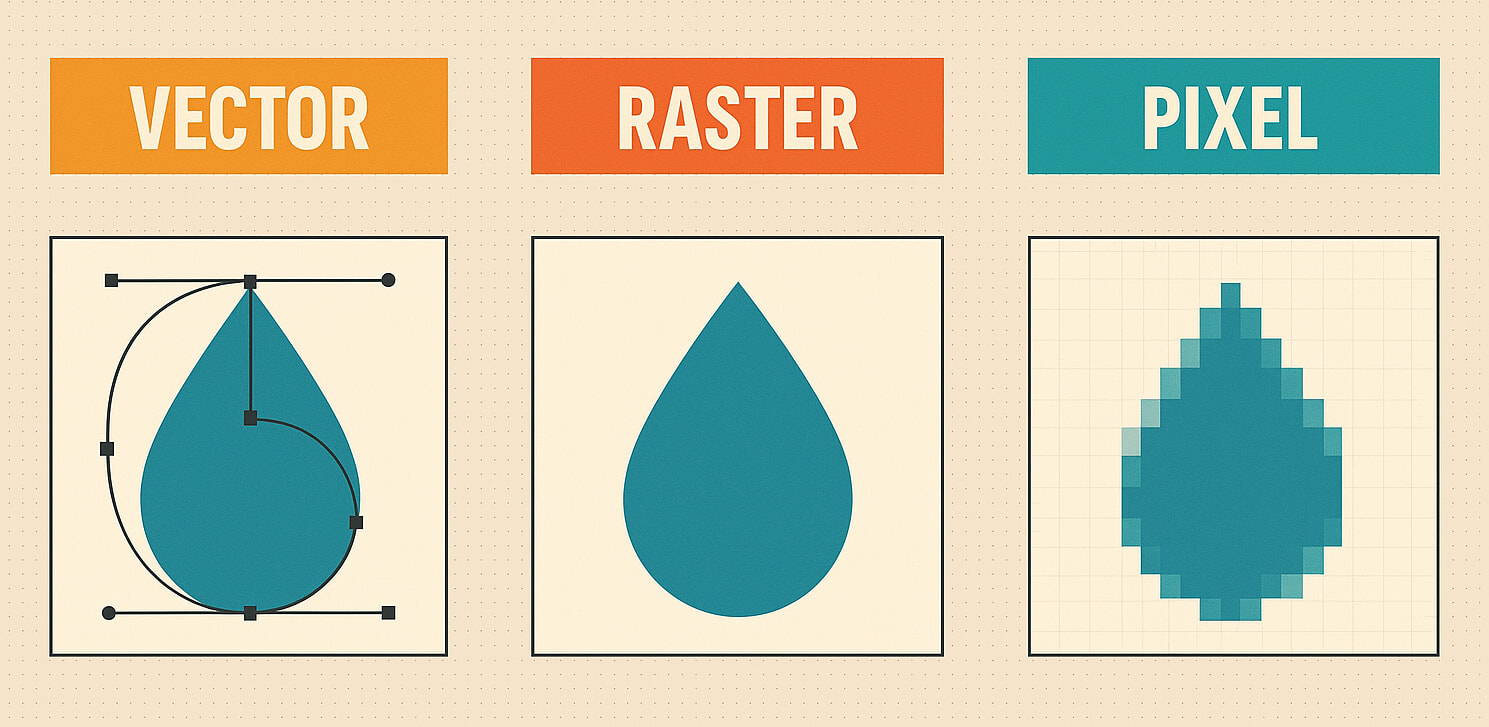
Vector graphics play a crucial role in game development, especially in creating scalable and easily editable assets for UI, characters, backgrounds, and animations. Unlike raster images, which are made of pixels and lose quality when scaled, vector images are built from geometric instructions that keep visuals crisp at any size. Their advantages include quick modification, future-proof scalability, and streamlined collaboration due to clean, organized source files. However, they aren’t ideal for highly detailed or photorealistic styles. A real-world example illustrates how raster assets can become problematic during development changes, requiring time-consuming redraws, while vector graphics would have allowed for fast and clean adjustments. Although game engines usually render raster images more efficiently, vector files can be exported as high-resolution .PNGs with ease. Ultimately, both raster and vector graphics have their place in game development, and combining them strategically lets developers benefit from the strengths of each.
Read More

Piracy, Steam, and PC Gaming

How Steam and Smart Business Practices Defeated PC Game Piracy

Piracy, Steam, and PC Gaming
A look at how the PC gaming industry evolved beyond DRM to fight piracy—highlighting Steam’s user-centric approach, early shareware innovations, and how accessibility, not restrictions, won the war on illegal downloads.
Read More

Is 2D or 3D right for my video game? Pixel art, High res art or Vector art?

A short guide for the overwhelmed game developer.

Is 2D or 3D right for my video game? Pixel art, High res art or Vector art?
Choosing the right art direction for your game can be daunting, as early mistakes often lead to costly rework. While pixel art is popular among beginners due to its constraints and simplicity, it can quickly become complex and time-consuming for games with high customization or animation needs. High-resolution 2D art offers creative freedom but can be overwhelming and inefficient without careful planning. Vector art stands out for its scalability, ease of editing, and long-term flexibility, especially for teams. Meanwhile, 3D art provides unmatched versatility and interactivity but often demands the most time, skill, and resources. Ultimately, there is no one-size-fits-all solution—the best art style depends on your game’s mechanics, goals, and available skills. Before hiring an artist, it’s essential to deeply understand your game’s needs and create a detailed game design document to guide development efficiently.
Read More