

Achilleas Stergioulis
Indie Game Developer · Rapid Prototyping Specialist
Services
Exact services I solo-deliver from pitch to production.

Rapid Prototyping & Vertical Slices
Playable results in days, not months.
- Fully working core loops, mechanics, UI, and levels
- Clean, extensible architecture ready for future development
- Perfect for pitching, testing, funding, or validating ideas
- Desktop, mobile, and Steam Deck
Game Development (Godot)
End-to-end creation or contribution to existing projects.
- Component-based architecture with clean data separation
- Tools and editors that empower your team and speed up iteration
- Scalable systems, polished gameplay feel, and reliable performance
Game Design & Worldbuilding
Turning vague concepts into structured, testable experiences.
- Clear gameplay vision, mechanics, and progression
- Tutorials that teach naturally
- Level and encounter design that reinforces player mastery
- Narrative design with environmental storytelling
Studio-Style Development as One Person
Hire a whole team’s worth of skills at once.
Code
Robust Godot architecture, gameplay systems, and tooling ready for direct handoff.
Design
UI, UX, and narrative direction kept consistent with your studio’s voice.
Prototyping
Playable loops built in days so you can pitch, test, or iterate immediately.
Systems
Data-driven mechanics, tools, and pipelines that scale with your project.
UX
Tutorials, onboarding, and moment-to-moment feel tuned for real players.
Pipeline Planning
Processes, milestones, and automation so production keeps moving forward.
Team Guidance
Mentorship and direction for collaborators when you need extra leadership.
Case Studies
Snapshots of the messy projects I’ve stabilized and shipped.
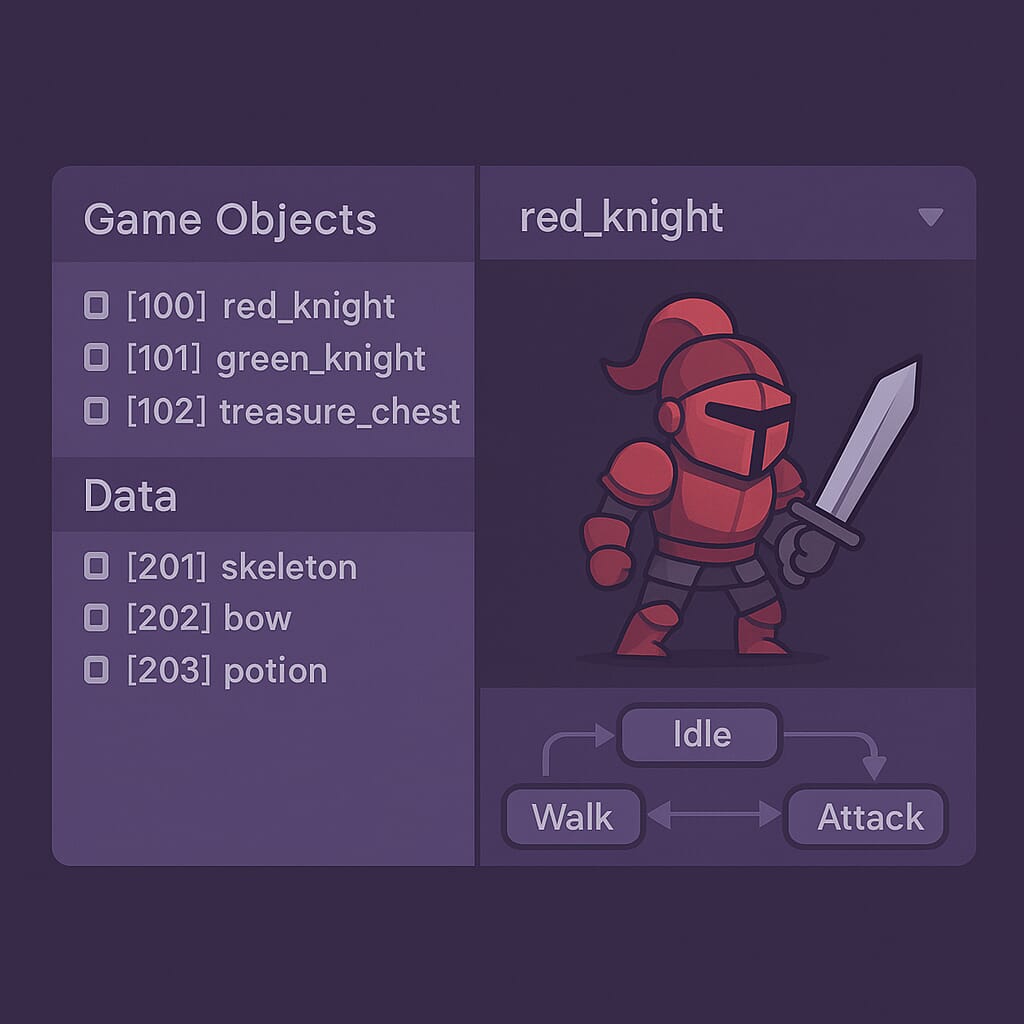
Clean Game Architecture
Building a scalable foundation for fast iteration
Problem
The project mixed logic, assets, and data in one tangled structure, causing delays and constant breakage.
Approach
I built a modular Game Database as the single source of truth and split all mechanics into independent components.
Result
- New features became easy and safe to build
- Contributors immediately understood the structure
- The project gained the stability needed for rapid prototyping
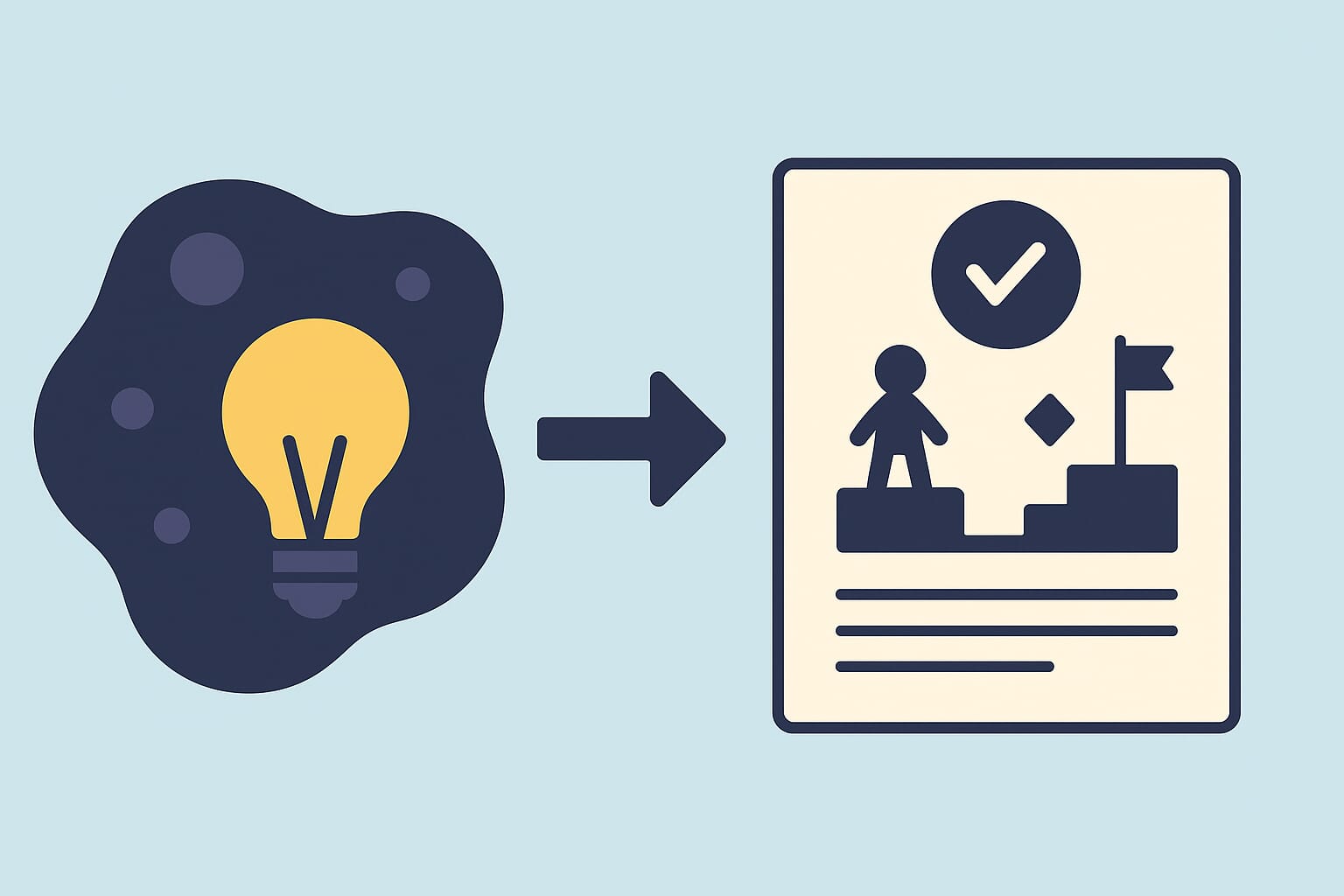
From Chaos to a Playable Prototype
Turning a blurry idea into a real game
Problem
The client had a vague high-level vision (“exploration, action, puzzle”). The team lacked structure, direction, and a testable plan.
Approach
I reframed the vision around real player problems and designed systems, obstacles, and a tutorial level that taught mechanics step-by-step.
Result
- The team finally had a playable prototype
- Testing led to fast iteration
- The design moved from wishful concepts to a concrete, buildable plan

Structure, Workflow, Results
Transforming a drifting team into a functioning studio
Problem
A junior-heavy team shipped bugs, broke main constantly, and had no plan, no review process, and no leadership.
Approach
I introduced Git workflows, task systems, training, milestone breakdowns, and role assignment based on developer strengths.
Result
- A stable workflow
- Predictable progress
- Dramatic reduction in errors
- A team that operated like an actual studio
Our Games
Small experiments and finished slices shipped solo.
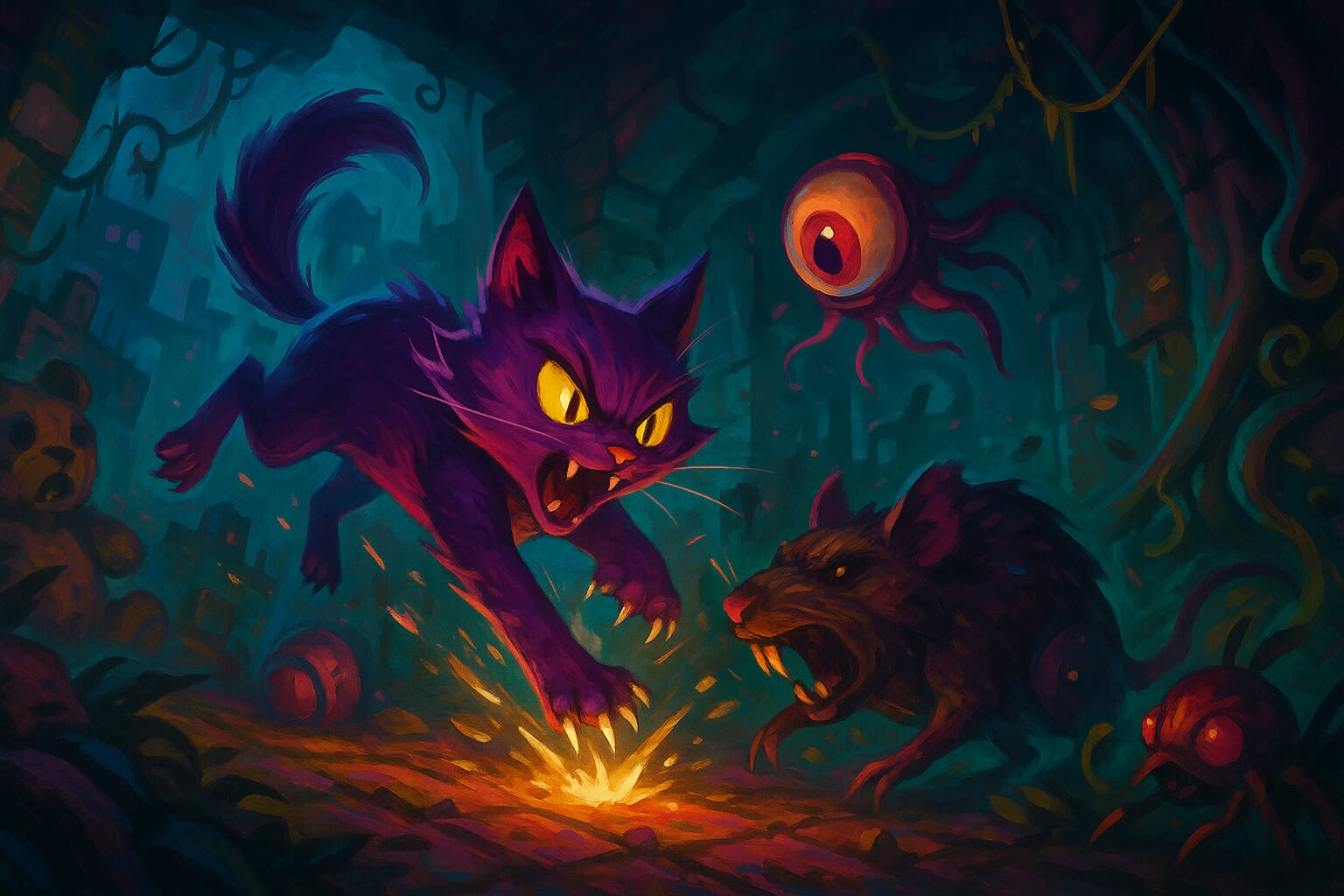
Munchkitty
A fast-paced roguelite where a purple mother cat races through surreal dreamscapes to rescue her stolen kittens. Arena combat, dream-card choices, and a mix of cuteness and underlying tension define the experience.
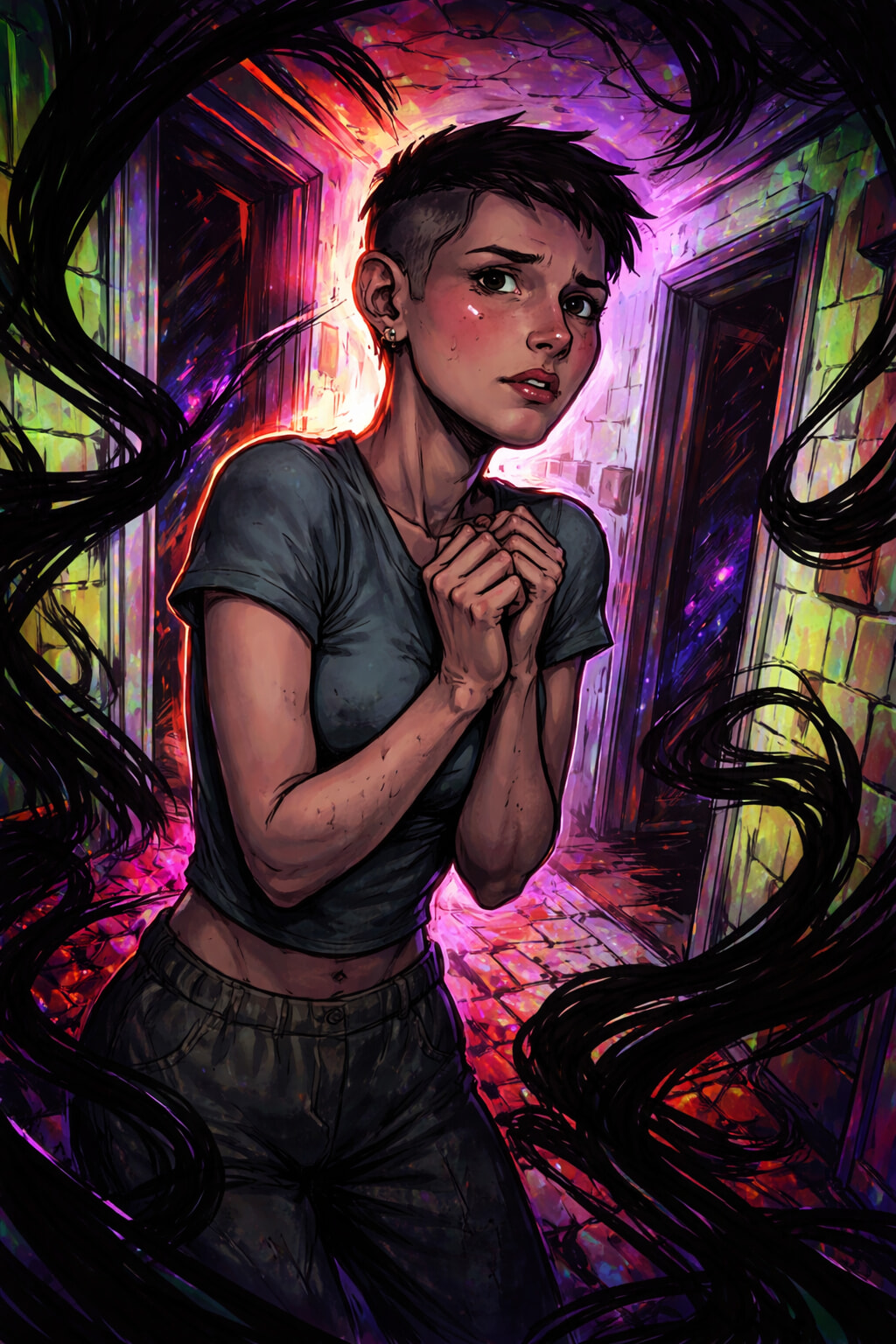
OCDemon
A stylized 2.5D adventure about rituals, fears, and a mocking demon haunting a young woman across dreams and reality. A story-driven mix of puzzles and surreal exploration.
Reach Out To Us
Need a prototype, systems help, or a second pair of eyes?